Online Safety

The National Crime Agency’s CEOP Command is here to help children and young people. We are here to help if you are a young person and you or your friend (up to age 18) has been forced or tricked into taking part in sexual activity with anyone online, or in the real world. We also have advice and links to support for other online problems young people might face, such as cyberbullying and hacking. Visit our Safety Centre for advice and to report directly to CEOP, by clicking on the Click CEOP button.

Extremist Material
There has been a recent campaign by the Counter Terrorism Internet Referral Unit to encourage people to report online extremist material. Should you become aware of any such material then you can use the button below to link to the Counter Terrorism Internet Referral Unit.

Safety in a Digital World: Guide for Parents/Carers
- You were taught road safety,
- You were taught rail safety,
- You were taught to play safely.
But now we are in the 21st Century and your children need to be taught Online Safety
Children access the Internet on:
- Computers
- Mobile phones
- Games consoles
- Music systems
- And they play games online with friends and strangers
They blog, chat, enter competitions, social network, email, watch TV online, play games, download and upload information. They are creative at making music, making films and making web content.
App information
The following website has information about social media and the age ratings of different apps, with a little bit of information about what they are.
https://www.nspcc.org.uk/keeping-children-safe/online-safety/social-media/
A Parent's Guide to:
Screen Time:
https://www.childnet.com/parents-and-carers/hot-topics/screen-time-boundaries
Fortnite:
https://www.childnet.com/blog/a-parents-guide-to-fortnite-battle-royale
Gaming:
https://www.childnet.com/parents-and-carers/hot-topics/gaming
Are you worried about their safety whilst accessing the internet?
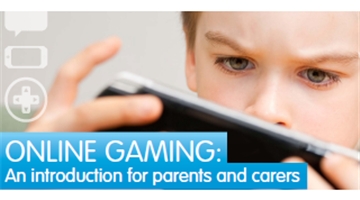
This page will provide you with some basic information to help you feel more confident in supporting your child to be online safe.
The Benefits of Digital Technology
There are many benefits of having access to digital technologies. Here are some of them:
- Used effectively, these can improve children’s achievement.
- Using them at home and at school develops skills for life.
- Children with supportive and involved parents and carers do better at school.
- Children enjoy using them.
- Using technologies provides access to a wider and more flexible range of learning materials.
Staying Safe
You can make a huge difference if you talk to your child about how they use digital technology, let them know you are there to guide them and pass on essential safety advice. Here are some do’s and don’ts:
- Do keep your computer in a place where everyone can use it, go online with your child so you can see what they are doing on the Internet.
- Do remind them that everyone they meet online is a stranger even though they might seem like a friend.
- Do encourage your child never to meet up with someone they make friends with online. But if they do then make sure they take along an adult you trust and to meet in a public place.
- Do explain that they shouldn’t accept emails or open files from people they don’t know. They may contain viruses, nasty messages or annoying links to things you don’t want them to see.
- Do be aware that your child may as likely be a cyberbully as be a target of cyberbullying. Be alert to your child seeming upset after using the Internet or their mobile phone.
- Do talk to your child so they know they can come to you if they run into any problems. Your continued involvement is the best way of keeping your child safe.
- Do make clear what content and behaviour is acceptable and check that sites are age appropriate.
- Do give your child the knowledge and skills to build up resilience to the things they find online, help them to play and learn safely.
- Do consider using filtering software and agree ground rules about what services you are happy for your child to use.
- Don’t allow them to give out personal information. That means full name, home or school address, telephone number or personal email or mobile number.
- Don’t allow your child to access inappropriate sites.
Useful advice for Parents and Carers
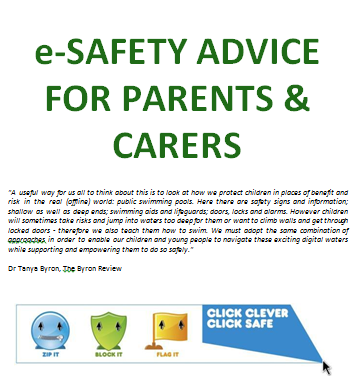
Click here to download a document on Online Safety advice for parents and carers.
Find out more:
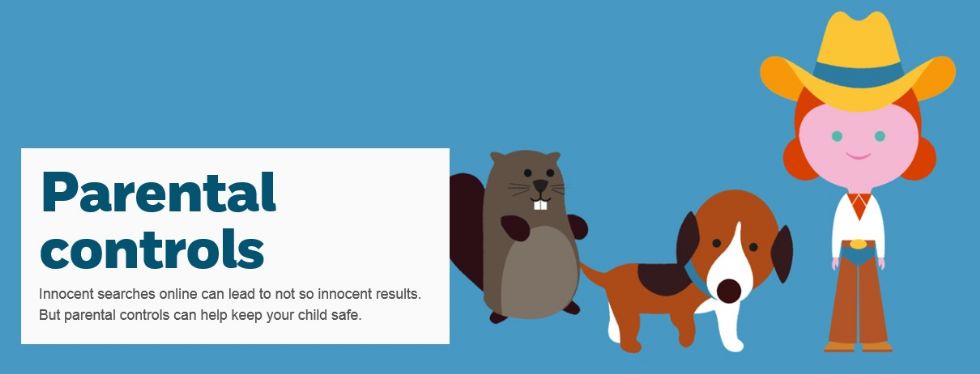
Did you know, you can add a filter to your home Internet connection, which will help to reduce any over age or inappropriate material from being seen by your child/ren? The link below has some advice to help you add this filter, if you haven’t already done this, to help make your home online safe for your child/ren. Click below to find out more:
https://www.internetmatters.org/parental-controls/
You can also contact your Internet provider to ask their advice about putting a filter on your Internet connection.
Information updated: November 2024
Find the latest information on websites, mobiles and new technology. Find out what’s good, what’s not and what you can do about it:


The UK Council for Child Internet Safety (UKCCIS) brings together organisations from industry, charities and the public sector to work with the Government to deliver the recommendations from Safer Children in a Digital World consultation: http://www.education.gov.uk/ukccis,
Childnet International is a non-profit organisation working with others to help make the Internet a great and safe place for children: https://www.childnet.com/
The Child Exploitation and Online Protection Centre (CEOP) works across the UK tackling child sex abuse and providing advice for parents, young people and children about Internet safety: www.ceop.gov.uk
Pre-school (0-5) online safety tips and advice Balancing screen time (0-5)
Get Net WiseAs well as lots of information on how to keep your children safe, this website has a very useful video tutorial showing how you can set privacy settings and parental controls on your computer. |
Get Safe OnlineThis website encourages everyone to take some time out to learn more about Internet safety and to make sure that their computer is properly protected. It has lots of useful tips about online shopping and identity theft. |
Safer InternetA parent’s guide to different technologies:
|
ChildNet InternationalThis website provides a unique, interactive guide to help you keep up to date with how children use the Internet and how you can support them in keeping safe. It is produced by ChildNet International. |
|

Please read the following from the Staffordshire and Stoke-on-Trent Safeguarding Children Board on the sensitive issue of child sexual exploitation and visit the following websites.
http://www.knowaboutcse.co.uk/parents
Have a look at the NSPCC website and their advice on parental controls on the Internet. It is really useful. Click the link below.