English - Reading and Writing
Writing and Reading
Subject Leader: Mrs Wain (Writing)
Subject Leader: Mrs Steele (Reading)
Intent: Writing
At Holy Trinity, our intent is to inspire a love of writing. It is to develop confident, fluent and creative writers who enjoy writing and can communicate effectively for different purposes and audiences. From EYFS to Year 6, pupils build secure skills in transcription, composition, vocabulary and genre through a clear, sequenced progression. Early mark‑making and oral storytelling lead to sentence construction, cohesive paragraphs and control of grammar, punctuation, spelling and handwriting. High-quality texts enrich language, and inclusive teaching ensures all pupils, including those with SEND, can access and succeed in writing. Our aim is for every child to write with accuracy, purpose and enjoyment, understanding the impact of their writing and developing a life‑long interest in writing.
Intent: Reading
|
The intent of Reading at Holy Trinity is to develop confident, fluent and expressive readers. Using VIPERS (vocabulary, infer, predict, explain, retrieve, sequence or summarise) reading strands, pupils build progressive knowledge of word reading, language comprehension and fluency. Reading develops pupils’ love of reading and enables them to form opinions, communicate ideas, supporting creativity, wellbeing and cultural understanding. The curriculum is ambitious for all pupils, with careful consideration of SEND through support and additional resources to ensure children are developing all reading skills from the beginning. Reading at Holy Trinity develops pupils’ love and curiosity for reading and the confidence to sustain life-long learning. |
Implementation: Writing
Our curriculum follows a structured programme aligned with the National Curriculum, building pupils’ knowledge of transcription, composition, vocabulary and genre over time. High‑quality texts model language and structure, while explicit teaching of spelling, handwriting, grammar and punctuation develops accuracy and fluency. Lessons follow a consistent cycle of modelling, guided practice, scaffolded tasks, independent writing and structured editing. Adapted texts ensure all pupils can access learning.
Teaching sequence:
- Reading/Immersion
- Reading the text or chapter
- Unpunctuated texts to edit
- Comprehension and vocabulary work
- Story mapping/retelling
- Drama/Speaking and Listening
- Freeze frames, hot seating, acting out scenes
- Writing
- Grammar, punctuation and spelling
- Vocabulary collection
- Innovation (where appropriate)
- Planning
- Chunked writing
- Proof‑reading and editing
- Publishing
Talk for Writing and model texts support imitation, innovation and independent writing. Oral retelling in EYFS and KS1 develops into more independent composition as pupils progress. Ongoing assessment helps teachers identify gaps and provide targeted support. Purposeful writing across subjects strengthens skills and encourages a cohesive writing style.
Implementation: Reading
|
As pupils move into Year 2 and throughout Key Stage 2, VIPERS reading strands are used in reading lessons to further consolidate and deepen all areas of reading. Lessons are sequenced into 4 lessons each week. Lesson 1 – Fluency, Prosody and Expression Children develop their fluency, prosody and use of expressions in reading by using choral reading, echo reading and partner reading to model and deepen their understanding of a text. Lesson 2 – Vocabulary Lessons model the correct pronunciation of key vocabulary and children are given the chance to understand and deepen their knowledge of key vocabulary in the text. Lesson 3 – VIPERS Children continue to practise each reading strand through a variety of tasks as a whole class. Lesson 4 – VIPERS Children independently apply their skills to a variety of VIPERS questions.
Each class also has a class read, which is read to them throughout the day for enjoyment. This is to help encourage reading for pleasure and allows staff to share stories with children. |
Impact: Writing
Pupils develop into confident, fluent and purposeful writers who can communicate effectively for a range of audiences. They build secure transcription skills, a rich vocabulary and increasing independence in crafting and refining their writing. Assessment shows clear progression from EYFS to Year 6, with pupils demonstrating pride, enjoyment and understanding of key writing skills. Adapted activities ensure all pupils, including those with SEND, make strong progress from their starting points.
Impact: Reading
|
All children make good progress from their starting points. Pupils demonstrate excitement and curiosity for reading. Pupils are happy, confident readers, who have developed a love of reading, with the key skills and knowledge necessary for the next stage of their learning. They have high aspirations and are confident in the art of speaking and listening, they are able to successfully use discussion to communicate and further their learning. |
Teaching and Learning Approaches
Writing and reading are taught through adapted texts so that all pupils can access learning at the right level. Lessons include visual prompts, adult scaffolding, shared storytelling, open‑ended tasks and collaborative work. Word banks, sentence stems, colourful semantics Talk for Writing and Reading VIPERS routines help reduce cognitive load and support independence and confidence.
 Enrichment and Wider Opportunities
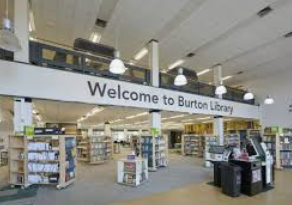
Our close links with Burton Library provide opportunities for author visits, workshops and activities linked to class texts. Pupils also write for real purposes, such as letters to our MP. Drama is used to explore texts, deepen understanding of character and language, and enrich pupils’ writing. Each year, we celebrate World Book Day, where pupils celebrate the books they love and have the opportunity to meet authors and take part in World Book Day activities.
Supporting Learning at Home
There are lots of different ways that you can support your child's writing.
- Read, Read, Read – Children who read for pleasure are also more likely to succeed as writers because of the way in which reading develops language development.
- Play with words and vocabulary - who can find the best word to describe something?
- Having lots of conversations to build vocabulary
- Be a good role model - let your child see you write
- Encourage your child's writing - allow them to magpie (borrow) ideas
- Sharing storytelling
- Discussing books together
Online games: We subscribe to Ed Shed for grammar and spelling activities. Contact your child’s class teacher for login details.
Please see below our progression document for writing and the writing journeys for each year group in school.
Rainbow Reading
In school, we celebrate the children's reading by receiving rainbow reading badges. Each time you read with your child at home, please record this on ClassDojo under the journal icon. For every 25 reads, your child will then receive their rainbow badge. These are given out to the children during an assembly on a Tuesday, where they can be celebrated by the whole school.